

Buying Property for Rental Income: A Strategic Guide for Investors Eyeing Malaysia
Key Takeaways
- Malaysia's Appeal: Favourable prices, strong yields, and openness to foreign investors make Malaysia a rising property hotspot.
- Understand Legalities: Not all properties qualify for rentals—know the rules before buying.
- Tax Implications: Rental income is taxable; compliance with local and international laws is essential.
Why Malaysia Is a Rising Star for Property Income Seekers
Malaysia continues to attract global investors with its mix of affordability and opportunity. With cities like Kuala Lumpur and Penang experiencing steady tourism and urban expansion, investors can access rental yields better than many Western countries1.
Understanding the Legal Landscape: Can You Rent Out Your Property in Malaysia?
Foreigners are welcomed in the Malaysian property market through frameworks like MM2H, though rentals come with conditions. Certain approvals are essential before landlords can begin leasing out homes2.
A Step-by-Step Approach: How to Buy a Rental Property Overseas (and in Malaysia)
Buying overseas requires caution and planning. While Malaysia is considered accessible, due diligence with legal, tax, and banking structures is vital to long-term success3.
Malaysia's Tax Rules for Rental Income: Know Before You Owe
Investors should understand Malaysia classifies rental as taxable income. The detail provided in local government rulings distinguishes between personal and business income—a vital distinction for expatriates4.
Real-Life Case Study: How One Investor Made Airbnb Work in Malaysia
Short-term rentals in cities like Kuala Lumpur are increasingly viable. One investor’s journey with Airbnb from property preparation to automation unveils Malaysia’s flexibility in this growing segment5.
The Math That Matters: Mortgages, DTI Ratios, and Investment Timing
If you are considering borrowing to buy, know how lenders assess global applicants. One key metric is Debt-To-Income (DTI)—property taxes can inflate this figure more than buyers expect6.
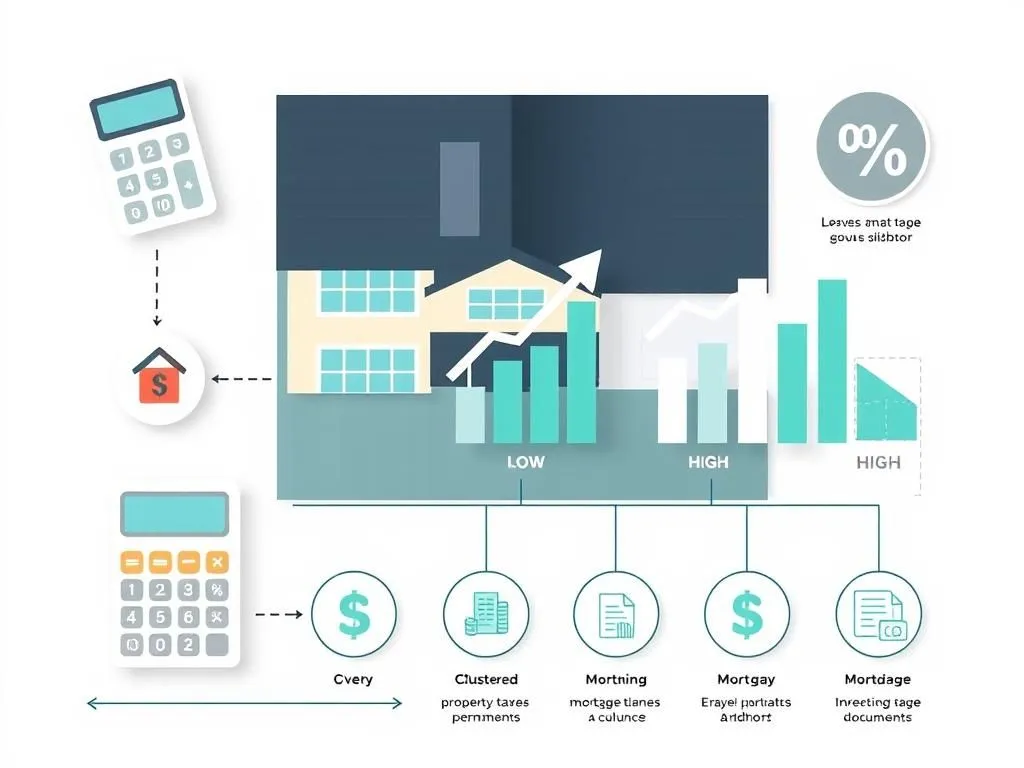
Depicts the crucial role of property tax in overall affordability projections
Pro Tips for a Smooth Investment Journey
- Legal Preparation: Ensure your property is rental-compliant before closure.
- Choose Locations Wisely: Go for urban centers with steady demand like Kuala Lumpur.
- Factor All Costs: Don’t overlook taxes, insurance, and maintenance.
- Automate for Scale: Landlords abroad should invest in automation or hire managers.
- Track Finances: Maintain disciplined documentation for ROI and taxes.
- Leverage Local Platforms: Use sites like Property Guru for listings, rates, and benchmarks.
Frequently Asked Questions
Question: Can foreigners freely rent out property in Malaysia?
Answer: Foreigners can rent out property in Malaysia, but must comply with regulations including approvals if under special programs such as MM2H.
Question: Are short-term rentals like Airbnb allowed in major Malaysian cities?
Answer: Generally yes, but local jurisdictions and building management rules may add restrictions, so always verify before launching.
Question: What taxes apply to rental income in Malaysia?
Answer: Rental income is taxed under Malaysian law, with possible deductions for expenses like repairs, insurance, and loan interest.
Disclaimer: The information is provided for general information only. JYMS Properties makes no representations or warranties in relation to the information, including but not limited to any representation or warranty as to the fitness for any particular purpose of the information to the fullest extent permitted by law. While every effort has been made to ensure that the information provided in this article is accurate, reliable, and complete as of the time of writing, the information provided in this article should not be relied upon to make any financial, investment, real estate or legal decisions. Additionally, the information should not substitute advice from a trained professional who can take into account your personal facts and circumstances, and we accept no liability if you use the information to form decisions.