)

Electric Vehicle Adoption Malaysia: The Real Story Behind the Country’s EV Push
Key Takeaways
- Rapid Growth: Electric vehicles are becoming increasingly visible across Malaysia’s cities and transport networks.
- Infrastructure Gaps: Charging availability and grid readiness remain key barriers to mass adoption.
- Policy Influence: Government incentives and clear frameworks significantly impact EV adoption rates.
- Consumer Hesitation: Cost, awareness, and convenience continue to shape buying decisions.
- Future Potential: Strong opportunities exist with better infrastructure, incentives, and public education.
A Turning Point for Malaysia’s EV Journey
Electric vehicle adoption Malaysia is no longer a future idea—it’s happening right now, and fast. From city streets in Kuala Lumpur to logistics fleets and highways, EVs are becoming more visible every day. But behind this shift is a complex story shaped by technology, policy, public trust, and infrastructure readiness.
Malaysia’s transition toward electric mobility is accelerating in 2026, driven by improvements in EV technology, expanding charging networks, government incentives, and growing environmental awareness. However, challenges remain, especially around whether energy systems and infrastructure can keep up with rising demand1.
In simple terms, EV adoption depends not just on vehicles themselves, but on the entire ecosystem supporting them.
Why Electric Vehicles Matter More Than Ever
One of the biggest reasons behind the push for EV adoption in Malaysia is public health. Urban areas face increasing levels of transport-related air pollution, largely caused by fuel-powered vehicles.
Reducing emissions from transport can significantly improve public health outcomes, lowering risks associated with air pollution and improving overall quality of life in cities2.
This means EVs are not just a transportation upgrade—they are a public health solution. Each electric vehicle reduces harmful emissions and contributes to cleaner air.
The Infrastructure Challenge: Charging Ahead or Falling Behind?
)
Electric vehicles integrated into urban transport systems alongside modern charging infrastructure
Electric vehicles are becoming more common on Malaysian roads as adoption grows across both urban and suburban areas.
Despite this growth, infrastructure development is still catching up. Charging stations remain unevenly distributed, particularly outside major cities, which contributes to range anxiety among drivers3.
Additionally, EV charging depends on a stable electricity supply. Weaknesses in the power grid can slow adoption and reduce confidence in EV reliability.
Without strong infrastructure, even the most attractive EV policies will struggle to deliver results.
Government Policies: The Engine Behind Adoption
Government initiatives play a central role in shaping EV adoption across Malaysia. Policies such as tax incentives, simplified frameworks, and long-term planning have made EVs more accessible.
Clear and trustworthy policies significantly influence adoption rates, as consumers are more likely to invest in EVs when systems are transparent and easy to understand4.
In emerging markets, policy consistency is especially important. When regulations are stable and predictable, both consumers and investors gain confidence in the EV ecosystem.
How Malaysia Compares to ASEAN and China
Malaysia is part of a broader regional push toward EV adoption, but progress varies across ASEAN countries.
Compared to global leaders like China, Malaysia is still developing its EV ecosystem, particularly in areas such as manufacturing capacity and charging infrastructure5.
China’s rapid advancement highlights what is possible with strong policy alignment, large-scale production, and widespread infrastructure.
For Malaysia, this gap represents both a challenge and an opportunity for accelerated growth.
What Malaysian Consumers Really Think
Ultimately, consumer behavior determines the success of EV adoption. Malaysian buyers consider several key factors before making the switch.
These include affordability, charging convenience, awareness, and perceived long-term benefits of EV ownership6.
Despite growing interest, many consumers remain cautious due to concerns about upfront costs, limited charging access, and battery lifespan.
However, as EVs become more visible and familiar, public trust is gradually increasing.
Businesses Are Stepping In
Businesses are playing a major role in accelerating EV adoption in Malaysia. Logistics companies, in particular, are integrating EVs into their fleets to support sustainable operations.
This shift not only increases visibility but also contributes to the development of supporting infrastructure across the country7.
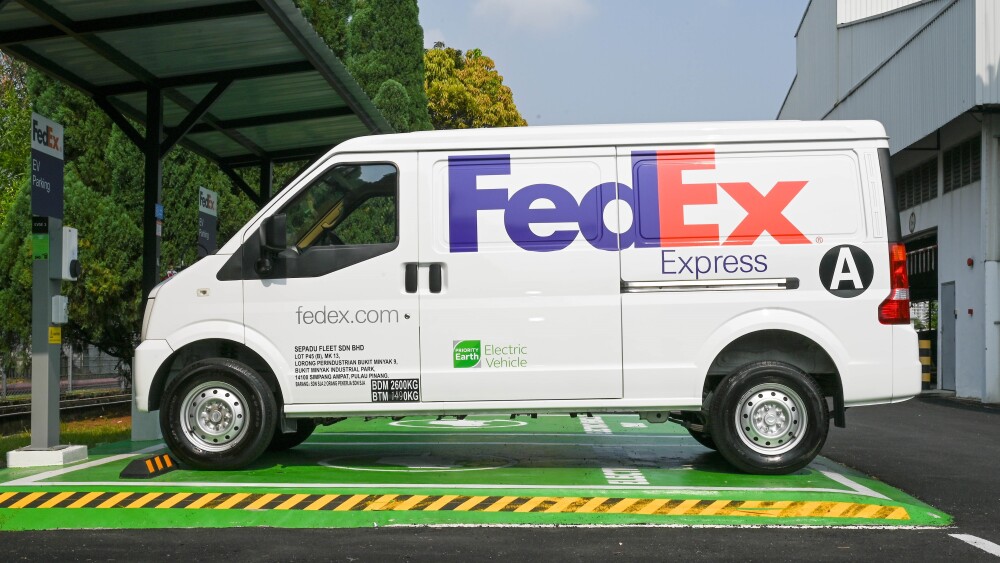
As more companies adopt EVs, they create momentum that encourages wider adoption among consumers.
The Role of Public Awareness
Public awareness remains a key factor in EV adoption. Many Malaysians are still learning about how EVs work, their costs, and maintenance requirements.
Limited awareness can slow adoption, especially when combined with misconceptions about EV performance and reliability8.
However, increased exposure through media, events, and real-world usage is helping bridge this knowledge gap.
Key Challenges Holding EV Adoption Back
Despite strong progress, several challenges continue to limit EV adoption in Malaysia.
- High upfront costs compared to traditional vehicles
- Limited charging infrastructure in certain regions
- Concerns about battery lifespan and replacement costs
- Dependence on electricity sources for sustainability
- Policy inconsistencies affecting long-term confidence
These challenges highlight the need for a coordinated approach involving policy, infrastructure, and public engagement9.
Opportunities That Could Accelerate Growth
While challenges exist, Malaysia also has strong opportunities to accelerate EV adoption.
- Expanding nationwide charging networks
- Enhancing financial incentives for buyers
- Developing local EV manufacturing capabilities
- Integrating renewable energy sources
- Leveraging smart technologies for charging and energy management
These opportunities show that Malaysia’s EV future is not only viable but highly promising.
The Bigger Picture: A System That Must Work Together
Electric vehicle adoption in Malaysia depends on a fully integrated system where infrastructure, policy, public trust, and market readiness align effectively.
When these elements work together, adoption accelerates. When one fails, progress slows down significantly10.
What Happens Next?
Malaysia’s EV journey is at a critical stage, with the next few years shaping whether EVs become mainstream.
- Expansion of charging infrastructure
- Continued government support
- Reduction in EV prices
- Greater public awareness
If these factors align, EV adoption could accelerate rapidly across the country.
Final Thoughts: A Future in Motion
Electric vehicle adoption Malaysia represents a major shift toward cleaner, more sustainable transportation.
While challenges remain, the country is steadily building the foundation needed for long-term success through policy support, business involvement, and increasing public awareness.
The direction is clear—Malaysia is moving forward. The real question is how quickly it can scale.
Frequently Asked Questions
Question: Why is EV adoption increasing in Malaysia?
Answer: EV adoption is rising due to government incentives, growing environmental awareness, better technology, and increased involvement from businesses.
Question: What are the main challenges for EV adoption in Malaysia?
Answer: Key challenges include high upfront costs, limited charging infrastructure, concerns about battery life, and inconsistent policies.
Question: Is Malaysia ready for widespread EV adoption?
Answer: Malaysia is progressing toward readiness, but further improvements in infrastructure, policy consistency, and public awareness are needed for mass adoption.
Disclaimer: The information is provided for general information only. JYMS Properties makes no representations or warranties in relation to the information, including but not limited to any representation or warranty as to the fitness for any particular purpose of the information to the fullest extent permitted by law. While every effort has been made to ensure that the information provided in this article is accurate, reliable, and complete as of the time of writing, the information provided in this article should not be relied upon to make any financial, investment, real estate or legal decisions. Additionally, the information should not substitute advice from a trained professional who can take into account your personal facts and circumstances, and we accept no liability if you use the information to form decisions.