)

Online Platforms for Buying and Selling in Malaysia: Opportunities, Risks, and What You Need to Know
Key Takeaways
- Digital Commerce Growth: Malaysians are rapidly adopting online platforms for buying and selling across various industries.
- Diverse Marketplaces: Platforms now support everything from second-hand goods to financial investments and cryptocurrencies.
- Rising Risks: Increased convenience also brings concerns such as scams, counterfeit goods, and illegal activities.
- Second-Hand Boom: The resale economy is growing, driven by affordability and sustainability trends.
- User Responsibility: Safe participation requires awareness, verification, and responsible decision-making.
The Rise of Online Marketplaces in Malaysia
Online platforms for buying and selling in Malaysia are booming in 2026. From second-hand clothes and used cars to stocks and cryptocurrency, Malaysians are embracing digital marketplaces faster than ever. What once required a physical shop or face-to-face deal can now happen in minutes on a smartphone1.
Specialized platforms have made transactions more efficient and accessible, allowing users to list, compare, and purchase items with ease. This shift highlights how digital ecosystems are expanding beyond traditional e-commerce into a full-scale marketplace environment2.
Even financial activities are becoming integrated into these platforms, enabling cross-border investments and cryptocurrency trading. This transformation shows how technology is removing geographical barriers and reshaping commerce in Malaysia3.
A Look Back: How E-Commerce Evolved
Malaysia’s e-commerce journey began with smaller platforms that gradually built trust among users. Early adopters played a crucial role in shaping consumer confidence and paving the way for larger platforms to emerge4.
Over time, major platforms transformed online shopping into a mainstream activity. What started as cautious experimentation has now evolved into complete reliance on digital transactions, reflecting a significant shift in consumer behavior5.
Social Media: The Marketplace You Didn’t Expect
Social media platforms have become unexpected but powerful marketplaces. Many Malaysians use them to connect directly with buyers and sellers, leveraging their wide reach and simplicity6.
However, these platforms often lack structured protections, making them more vulnerable to scams and unreliable transactions. Users must take extra precautions when engaging in deals on social media channels.
The Second-Hand Economy Is Thriving
The rise of second-hand selling is one of the most noticeable trends in Malaysia’s online marketplace. Consumers are increasingly turning to resale platforms to save money and reduce waste, contributing to a growing circular economy7.
Resale initiatives are also gaining traction across Southeast Asia, promoting sustainability while creating new income opportunities for individuals8.
The Dark Side: Risks in Online Marketplaces
Despite the advantages, online marketplaces come with serious risks. Studies have shown that unsafe or unregistered products can still be sold online, raising concerns about consumer protection and health risks9.
Sellers also face legal consequences when engaging in unethical practices such as selling counterfeit goods. These risks highlight the importance of understanding regulations before participating in online trade10.
In more severe cases, online platforms have been misused for illegal activities, demonstrating the need for stronger enforcement and user awareness11.
Spotting Red Flags When Buying Online
)
Common warning signs in online shopping environments including suspicious pricing and unverified sellers
Recognizing warning signs is essential when shopping online. Suspiciously low prices, unverified sellers, and requests for off-platform payments are common indicators of potential scams12.
- Prices that seem too good to be true
- Sellers who avoid questions or rush transactions
- Lack of reviews or verified profiles
- Requests for payment outside secure platforms
Consumers should also be aware that certain products are not officially sold online, making verification even more important before making a purchase13.
Niche Markets: From Motorcycles to Crypto
Niche marketplaces are expanding rapidly, catering to specific needs such as vehicle sales and digital assets. These platforms provide tailored experiences that make transactions more efficient and targeted14.
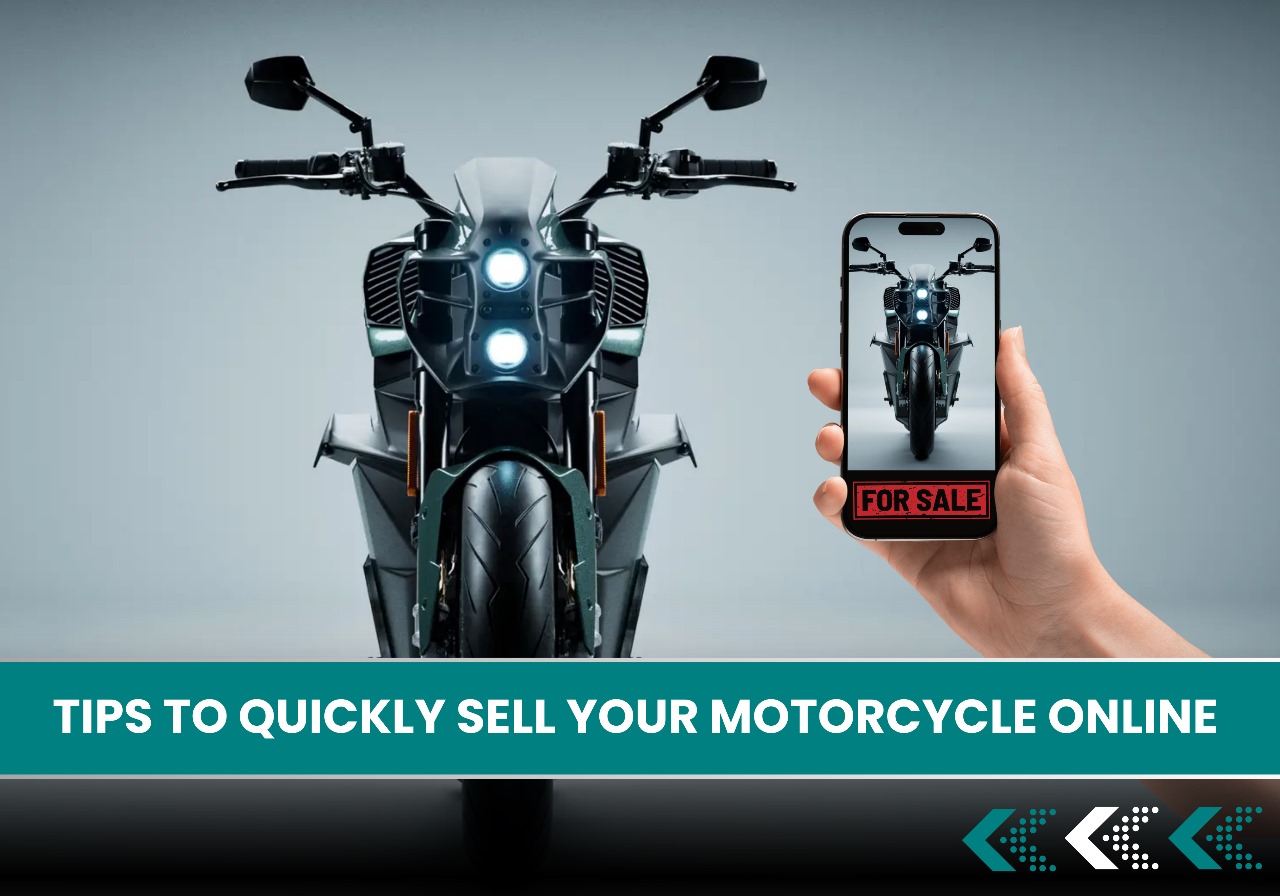
At the same time, cryptocurrency trading is becoming increasingly accessible, adding a new dimension to Malaysia’s digital commerce ecosystem15.
Convenience vs. Responsibility
Online platforms offer unmatched convenience, allowing users to buy, sell, and invest with minimal effort. However, this ease of access also places responsibility on both buyers and sellers to act ethically and cautiously.
- Sell unused items quickly
- Compare prices easily
- Reach a wider audience
- Trade without physical presence
Without proper awareness and verification, these benefits can quickly turn into risks.
What the Future Looks Like
Malaysia’s e-commerce landscape continues to evolve, with expectations of stronger regulations, improved verification systems, and increased adoption of digital finance. The growth of sustainable practices and second-hand markets will also play a significant role in shaping the future.
As more users join online platforms, awareness and education will become essential in ensuring a safe and reliable digital marketplace environment.
Final Thoughts
Online platforms for buying and selling in Malaysia have transformed how people live and do business. While they offer incredible opportunities, they also come with real risks that cannot be ignored.
Staying informed, cautious, and responsible is key to making the most of these platforms while avoiding potential pitfalls.
As digital commerce continues to grow, the balance between convenience and safety will define its future.
Frequently Asked Questions
Question: What are the most popular online marketplaces in Malaysia?
Answer: Popular platforms include general marketplaces, social media channels, and specialized apps for vehicles, second-hand goods, and financial trading.
Question: How can I avoid scams when buying online?
Answer: Always verify sellers, avoid deals that seem too good to be true, and use secure payment methods provided by trusted platforms.
Question: Is selling second-hand items online legal in Malaysia?
Answer: Yes, selling second-hand items is legal as long as the products are genuine, safe, and comply with local regulations.
Disclaimer: The information is provided for general information only. JYMS Properties makes no representations or warranties in relation to the information, including but not limited to any representation or warranty as to the fitness for any particular purpose of the information to the fullest extent permitted by law. While every effort has been made to ensure that the information provided in this article is accurate, reliable, and complete as of the time of writing, the information provided in this article should not be relied upon to make any financial, investment, real estate or legal decisions. Additionally, the information should not substitute advice from a trained professional who can take into account your personal facts and circumstances, and we accept no liability if you use the information to form decisions.